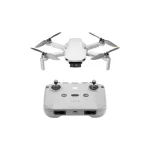
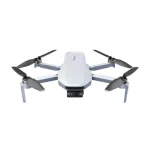
Zipline is a drone-delivery company best known for long-range medical logistics. Its story now extends beyond the early Rwanda launches to regulated U.S. package-delivery operations and a newer precision home-delivery platform.
to see more of our trusted coverage when you search.
The quick answer
Zipline’s importance is operational, not just technical: it combines autonomous aircraft, distribution sites, inventory, regulatory approval and community procedures. In the United States it holds standard Part 135 air-carrier authority for approved operations; that does not mean any company can copy the model without certification.
How Zipline delivery works
Zipline’s established fixed-wing system launches from a distribution center, cruises to a service area and releases a protected package by parachute. The aircraft returns to the site for recovery and reuse. This hub model concentrates maintenance, charging, inventory and flight supervision.
A delivery network must manage far more than navigation: payload acceptance, chain of custody, weather limits, contingency landing, community notifications, maintenance records and airspace coordination all affect reliability.
Why medical logistics fit drones
Blood products, vaccines and urgent medicines are time-sensitive and relatively light. In regions where roads are slow or seasonal, an aircraft can shorten the trip between a central inventory point and a clinic. The benefit comes from dependable fulfillment and stock visibility, not from replacing every road delivery.
U.S. approvals and expansion
The FAA says Zipline received a standard Part 135 air-carrier certificate in June 2022, becoming the first fixed-wing UAS operator certified through the BEYOND program. FAA approvals cover specific aircraft, areas and operating conditions. Package-delivery operators also need airspace authorization, infrastructure, environmental review and compliance with state and local requirements.
Platform 2 and precision delivery
Zipline’s newer Platform 2 concept is designed for quiet, precise delivery near homes and businesses. A larger autonomous aircraft hovers high above the destination while a small delivery device lowers the package. The approach aims to avoid landing the main aircraft at the customer site. Availability and operating areas depend on local partnerships and regulatory approval.
What the model cannot solve alone
- Poor inventory control at the originating facility.
- Packages that exceed the approved aircraft’s payload or handling limits.
- Severe weather outside the operator’s approved envelope.
- Community concerns about noise, privacy or distribution-site location.
- The certification, maintenance and staffing required for scalable aviation operations.
Zipline is strongest evidence that drones can become a logistics service when aircraft design and regulated operations are built together. It should not be described as an unrestricted replacement for ambulances, roads or conventional freight.
Primary sources: FAA Part 135 drone delivery · FAA BEYOND program · Zipline official site
About this update: This company profile was substantively rewritten with current FAA information. Deployment claims should be checked against Zipline’s active service locations.