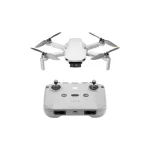
A good racing-drone kit matches the frame, motors, ESC, flight controller, video system, receiver and battery before anything is soldered. Beginners should prioritize documentation and repairable parts over maximum speed.
to see more of our trusted coverage when you search.

The quick answer
Start with a simulator and a guarded whoop. Build a 5-inch quad only if you want to learn soldering and configuration. Choose one video ecosystem and one radio protocol, then verify voltage, mounting pattern, connector and firmware compatibility for every component.
Choose the right kit type
- Ready-to-fly: assembled and configured, but still verify radio and goggles compatibility.
- Bind-and-fly: aircraft is built; add a compatible transmitter and sometimes receiver.
- Almost-ready-to-fly: assembly level varies, so read the exact package list.
- Parts bundle: best for builders who want to select firmware and tune from scratch.
- Micro whoop kit: safer, lighter route for indoor practice.
Core components
- Frame sized for the propellers and electronics.
- Motors and propellers matched to battery voltage.
- Four-in-one or separate ESCs with adequate current margin.
- Flight controller supported by current configuration software.
- FPV camera, video transmitter and antennas in one compatible ecosystem.
- Radio receiver using the transmitter’s protocol.
- Batteries, balance charger and correct power connector.
Compatibility checklist
Match motor KV to cell count and prop size. Confirm ESC protocol, flight-controller mounting pattern, receiver voltage, camera format and antenna connector. Digital goggles generally require their matching air unit. Do not mix SMA and RP-SMA antennas simply because they screw together.
Tools and setup
- Temperature-controlled soldering iron and quality solder.
- Multimeter and smoke stopper for first power-up.
- Hex drivers, prop tool, heat-shrink and spare wire.
- Computer with supported configurator and firmware backups.
- Fire-resistant charging area and battery checker.
Safe first flight
Test receiver failsafe and motor direction with propellers removed. Confirm video channel, arm switch and disarm response. Fly the first hover in an isolated legal area with a visual observer where required. Stop if a motor, ESC or battery becomes unusually hot.
Primary sources: FAA recreational rules · FAA Part 107
About this update: This guide was substantively rewritten around compatibility, repairability and safe setup rather than obsolete product rankings.