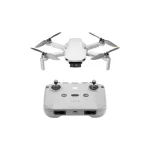
Thailand requires drone operators to check registration, radio-equipment, airspace and operating conditions before flying. Tourist status does not create an exemption, and approval can take time.
to see more of our trusted coverage when you search.

The quick answer
Start with the official CAAT UAS Portal and current guidance before traveling. Registration and insurance requirements depend on the drone’s camera, weight and use. Also verify radio-equipment requirements and local restrictions. Do not rely on an old blog checklist as legal authority.
Register through the official systems
The Civil Aviation Authority of Thailand operates an official UAS Portal for drone and operator registration. Thailand has also regulated radio transmitters through the National Broadcasting and Telecommunications Commission. The exact filings, insurance documents and validity periods can change, so complete the current official process rather than copying old form names from third-party articles.
Allow processing time and carry digital and printed proof. A retailer’s statement that a drone is “under 250 g” does not automatically settle camera, radio, park or local requirements.
Core operating limits to confirm
- Maximum permitted altitude and distance from the pilot.
- Visual-line-of-sight and daylight requirements.
- Separation from people, buildings, vehicles and gatherings.
- Airport, helipad and controlled-airspace restrictions.
- Liability-insurance amount and policy wording.
- Camera-equipped aircraft registration requirements.
- Conditions for commercial filming or other business use.
Restricted places and local permission
National parks, historic sites, temples, beaches, military areas and private venues may apply their own access or photography rules in addition to aviation law. Ask the site authority before taking off. Respect signs, crowds, ceremonies and privacy even where an airspace map appears clear.
Thailand travel checklist
- Apply through the CAAT UAS Portal well before departure.
- Verify current NBTC radio requirements.
- Carry proof of insurance that meets Thai conditions.
- Protect spare lithium batteries in carry-on baggage and follow airline limits.
- Save official approvals offline and label the aircraft as required.
- Check temporary restrictions and weather on the day of flight.
- Use a local licensed operator when the project or location is complex.
How to verify current rules
Use the CAAT portal and current English guidance, then confirm unclear points directly with CAAT or an authorized local operator. Regulations can change after this article is updated. This page explains the process but should never replace the latest official notice or permit terms.
Primary sources: CAAT UAS Portal · CAAT English guidance
About this update: This travel guide was substantively rewritten around current official CAAT resources. It is general information, not Thai legal advice.