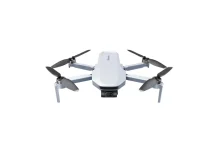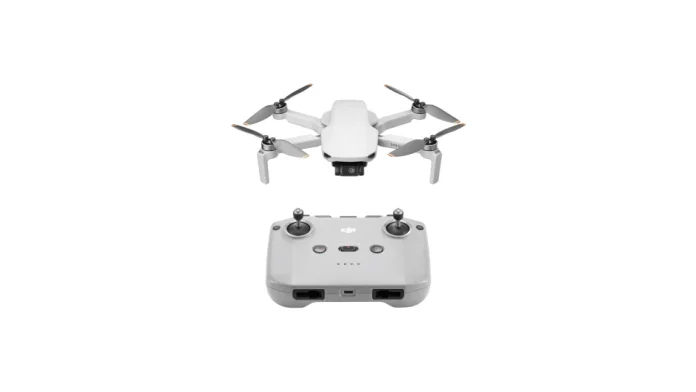
DJI Mini 4K vs Potensic ATOM is a choice between photo tools, tracking and the kit you can actually afford. Both have three-axis gimbals. Consider Mini 4K for its photo-bracketing options; consider the original ATOM for visual tracking. Compare matching battery counts before deciding which offers better value.

The quick answer
Choose for a specific shooting task, not a brand-wide winner. Mini 4K suits a buyer who wants RAW photos, exposure bracketing and panoramas. Original ATOM adds visual tracking to a stabilized 4K camera. For a first drone, phone compatibility, battery count and a clear flying area can matter more than the headline resolution.
Add DronesInsite as a Preferred Source for more drone buying guidance.
Affiliate disclosure: As an Amazon Associate, DronesInsite earns from qualifying purchases. The Amazon links below are affiliate links. This comparison is based on manufacturer research and exact-kit checks, not hands-on testing. It covers the original ATOM, not ATOM SE, ATOM 2 or ATOM 3.
Mini 4K vs original ATOM: useful differences
| Buying factor | DJI Mini 4K | Original Potensic ATOM |
|---|---|---|
| Camera stabilization | Three-axis mechanical gimbal | Three-axis mechanical gimbal |
| Sensor / stills | 1/2.3-inch; 12 MP; JPEG/DNG | 1/3-inch; 12 MP; JPG/DNG |
| Video headline | 4K up to 30 fps | Advertised 4K up to 30 fps |
| Shooting priorities | Exposure bracketing, panoramas, QuickShots | Visual tracking, waypoints, QuickShots |
| Rated flight time | Up to 31 minutes | Up to 32 minutes |
| App | DJI Fly | PotensicPro |
Sources: DJI’s shared Mini 4K / Mini 2 SE specifications, original ATOM specifications and Potensic’s ATOM feature page. On DJI’s shared page, use the Mini 4K entries rather than the different Mini 2 SE video limits.
Which camera workflow fits your photographs and video?
For still-photo editing, compare capture tools before resolution. Mini 4K lists three-frame automatic exposure bracketing and several panorama modes. Bracketing records different exposures for later selection or processing; it is not proof of a better finished image. Original ATOM also supports DNG capture, so RAW alone does not settle the choice.
Both list mechanical gimbals. This is not the gimbal-versus-electronic-stabilization tradeoff in our ATOM SE comparison. A larger stated sensor format or a higher recording bitrate is useful context, but neither establishes better color, dynamic range or low-light results without comparable footage. We have not made that test.
Use a simple pre-purchase exercise: list the shots you actually want. For a landscape outing, do you need bracketed stills and panoramas, or moving-subject clips? Check that the exact model’s current app supports that job. Do not pay for a feature because a different drone in the same family has it.

Tracking is a shooting tool, not collision protection
Potensic advertises visual tracking on the original ATOM. DJI’s Mini-model comparison lists QuickShots and panoramas for Mini 4K, while reserving ActiveTrack 360° for Mini 4 Pro. Do not confuse a preset camera move with continuous subject tracking.
Do not choose either for autonomous flights through obstacles. DJI’s sensing-system matrix marks Mini 4K’s forward, rear, side and upward vision systems as absent. ATOM’s specifications describe downward positioning, with surface and lighting limitations, not a verified all-direction avoidance system.
Choose a clear route and keep control of the aircraft. Return to Home is a separate function: check the Home Point, return height and loss-of-signal behavior before flying. Our Return to Home guide explains the distinction. A long advertised radio range is not permission to fly beyond visual line of sight.
One battery versus two: compare the whole kit
The two linked offers are not equivalent bundles. During our October 21 Amazon check, the Mini 4K listing selected the standard one-battery kit with RC-N1C controller. The ATOM listing selected two batteries, advertised as 64 minutes combined. Both were orderable then; stock, seller, price and selected variants can change.
Do not compare “64 minutes” with “31 minutes” as if ATOM stays airborne twice as long. The manufacturer ratings are 32 and 31 minutes per battery under stated test conditions. Battery swaps, landing reserve and conditions reduce usable shooting time; neither figure is our measured endurance.
- Choose a common battery count. If you want two packs, add the compatible extra pack to the one-battery option before comparing totals.
- Check the charging path. Confirm whether a hub and suitable power adapter are included. A spare battery without a workable charging plan may not solve your outing needs.
- Check your phone first. Use DJI’s app guidance and Potensic’s download center; verify the current app, connector and physical fit for your device.
- Finish the same kit. Include suitable storage, correct-model spare propellers, transport protection, tax and delivery. Our accessories guide helps separate essentials from extras.
- Check seller and condition. Verify support, returns and whether the offer is new or used. Do not treat another seller’s cheaper aircraft-only listing as the same purchase.
Check Mini 4K standard kit on Amazon
Check ATOM two-battery kit on Amazon
Who should choose each drone?
- Consider Mini 4K for a still-photo workflow: its documented bracketing and panorama tools are a concrete reason to shortlist it. Confirm the complete kit fits your budget.
- Consider original ATOM for visual tracking: choose it because that shooting mode solves a need, with a clear route and active pilot supervision.
- For manual 4K filming: both have a gimbal, so compare the app you can use and equivalent kit cost. We cannot declare a video-quality winner without matched recordings.
- Choose neither for assumed hands-off safety: tracking, positioning and Return to Home are not substitutes for pilot responsibility.
For U.S. recreational flying, sub-250 g does not mean rule-free. The FAA’s current recreational guidance covers TRUST, airspace, visual line of sight and registration. Requirements depend on the actual aircraft configuration and operation, not an unqualified marketplace exemption label.
Sources and research limits
Prepared October 21, 2026 from the manufacturer pages linked above, exact Amazon variant checks and manufacturer-attributed images already in our media library. The task-first decision aid and kit-normalization steps are our analysis. We did not fly these drones, measure image quality or endurance, or test tracking and app reliability.
Potensic’s current web table repeats still-image pixel dimensions in its video row. We therefore use its broad advertised 4K/30 claim without certifying those dimensions or every recording mode. The DJI manual download could not be retrieved in this check; the comparison relies on the accessible official specifications and support pages, not an inferred manual reading.
Read how we assess drone evidence. Recheck this decision when firmware, app compatibility, bundle contents or support terms change. Start with your required shots, make the two kits comparable, then choose.