


International drone travel has two separate rule sets: airline battery rules for the journey and aviation rules for the destination. Verify both before packing because an airline may accept the drone while the country restricts import or flight.
to see more of our trusted coverage when you search.

The quick answer
Carry spare lithium batteries in your carry-on bag with terminals protected. Most batteries up to 100 Wh are permitted under U.S. passenger rules; 101 to 160 Wh batteries require airline approval and are generally limited to two spares. Country, airport, airline and local-airspace rules can be stricter, so check each authority before departure.
How should you pack drone batteries?
Spare lithium-ion batteries must travel in carry-on baggage under U.S. passenger rules. Protect each battery from damage and short circuit by using its original cover, a battery case or individually protected terminals. Do not travel with a swollen, damaged or recalled pack.
- 0 to 100 Wh: normally permitted for personal use in carry-on baggage.
- 101 to 160 Wh: airline approval is required, and the usual limit is two spare batteries.
- Above 160 Wh: forbidden on passenger aircraft under the cited U.S. rules.
- Installed batteries: a device may be checked only when completely powered off and protected, but airlines can apply stricter rules.
Find watt-hours on the label. If only volts and milliamp-hours are shown, divide mAh by 1,000 and multiply by volts. A 3,850 mAh, 11.4 V battery is about 43.9 Wh.
How do you research destination drone rules?
Start with the destination country’s civil aviation authority and customs authority, not a travel blog. Check import permission, registration, Remote ID or electronic identification, operator tests, insurance, airspace maps, maximum altitude, privacy rules and restricted sites. Repeat the check shortly before departure because permissions can change.
Also check every transit country. A connection can trigger battery, security or customs rules even when you do not plan to fly there.
Airport and airline checks
- Read the operating airline’s dangerous-goods page for every flight segment.
- Confirm battery quantity and watt-hour limits directly with the airline.
- Remove spare batteries if a carry-on bag is gate-checked.
- Use a rigid case or protective bag for the aircraft and gimbal.
- Keep registration, permits, serial numbers and proof of ownership available.
- Do not assume a security-screening approval is permission to fly.
Safe and legal flying abroad
Arriving with a drone does not authorize takeoff. Use the official airspace map, stay clear of airports and prohibited sites, respect people and private property, and keep the aircraft within the required visual range. Commercial filming may require a different permission from recreational flying.
If you are entering the United States with a foreign-registered drone, the FAA requires foreign operators to follow U.S. rules and may require a Notice of Identification before flight. Read the FAA’s foreign-operator page for the current process.
International drone travel checklist
- Destination and transit-country import rules checked.
- Flight permission, registration and insurance confirmed.
- Airline battery policy saved offline.
- Battery watt-hours calculated and terminals protected.
- Airspace map and emergency contacts saved.
- Firmware, app login and offline maps tested before leaving home.
- Weather, crowds and local restrictions checked again before takeoff.
Safety note: This guide summarizes U.S. passenger-battery rules and a research process. It is not permission to import or fly in a specific country. The airline and relevant aviation authority control.


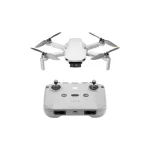
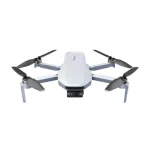


Thanks for the tips for travelling with a drone. I am taking my drone on a trip, and I want to make sure I know how to take care of it and use it effectively. Thanks for mentioning to find out in advance if you are going somewhere that allows drone flight. I hadn’t thought of that, but I will definitely do some research. Thanks!
Literally such a great platform… keep it up
It is actually a great and helpful piece of information. I am satisfied that you simply shared this helpful information with us. Please stay us informed like this. Thanks for sharing.
Very informative post. Helps the reader to understand how these new toys have changed the world of photography. Be it a wedding function or any other ceremony, the drones have become a part of photography. Thank you for sharing.